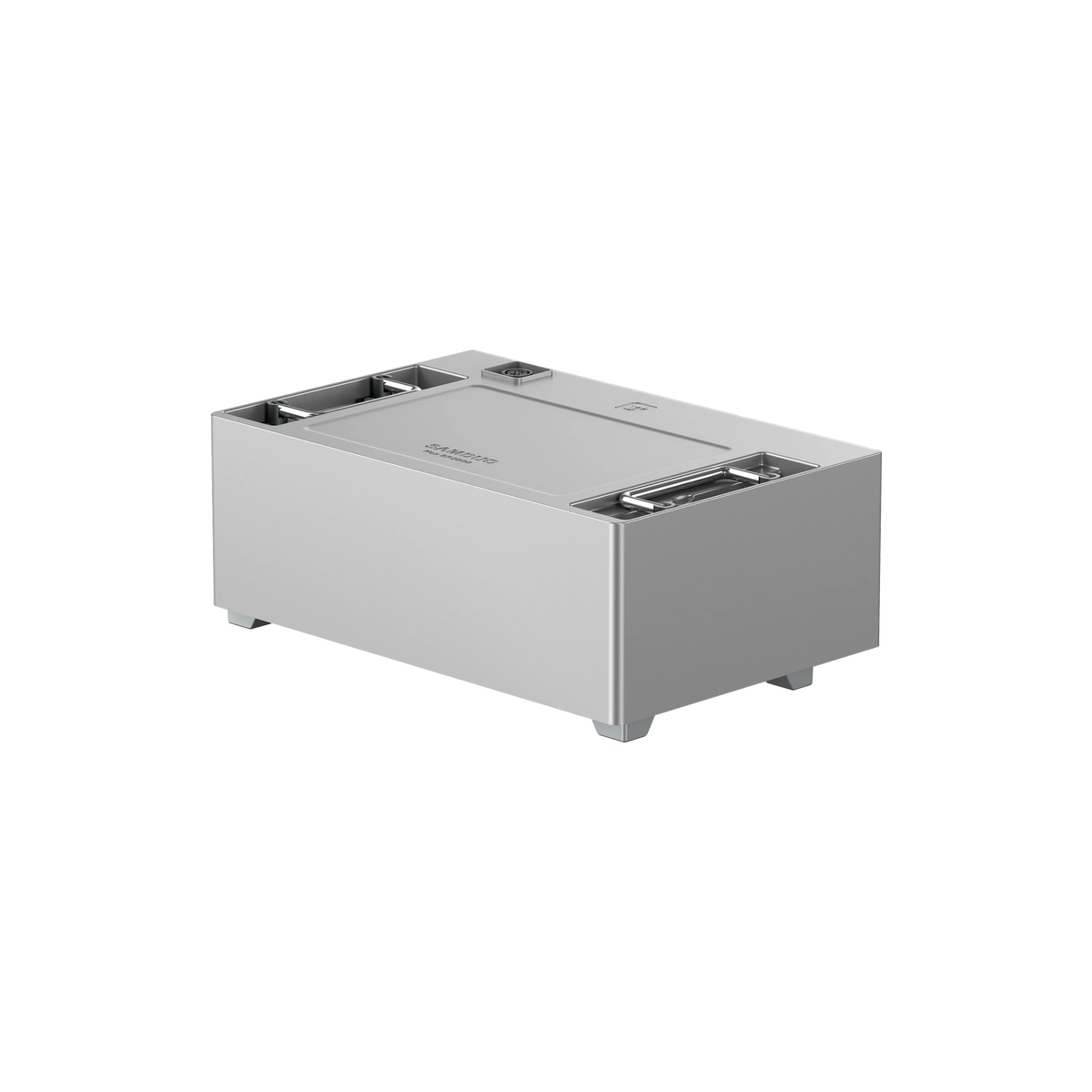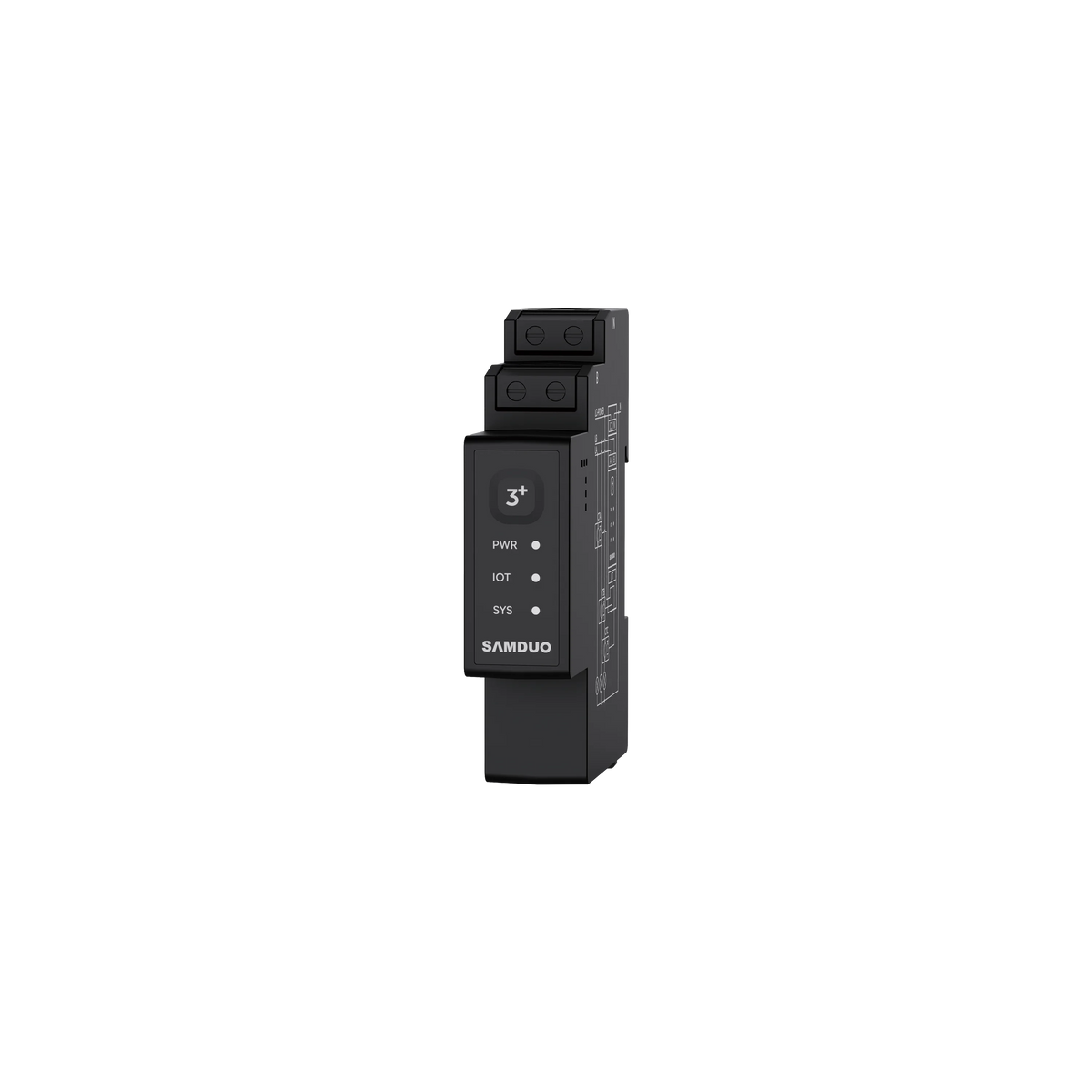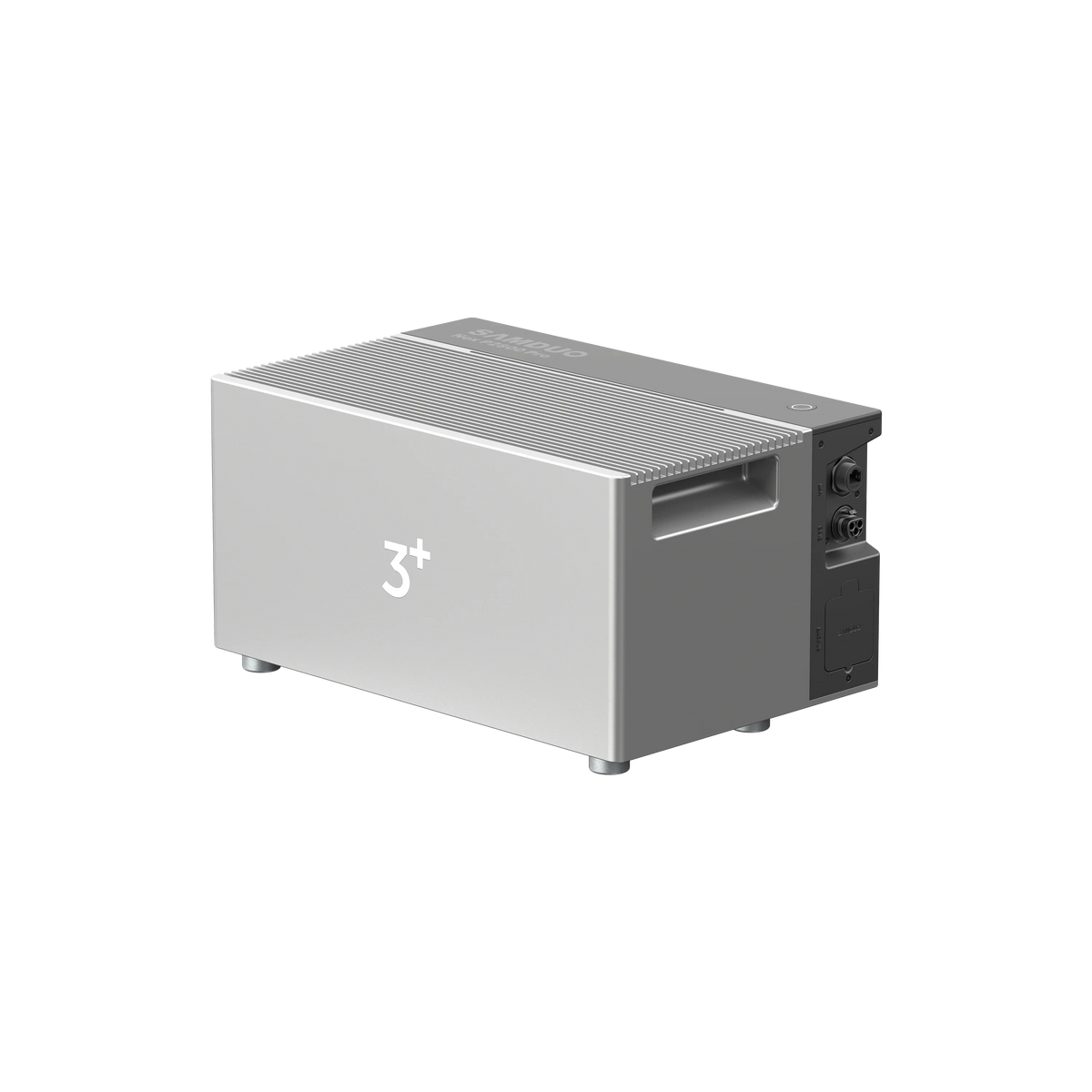
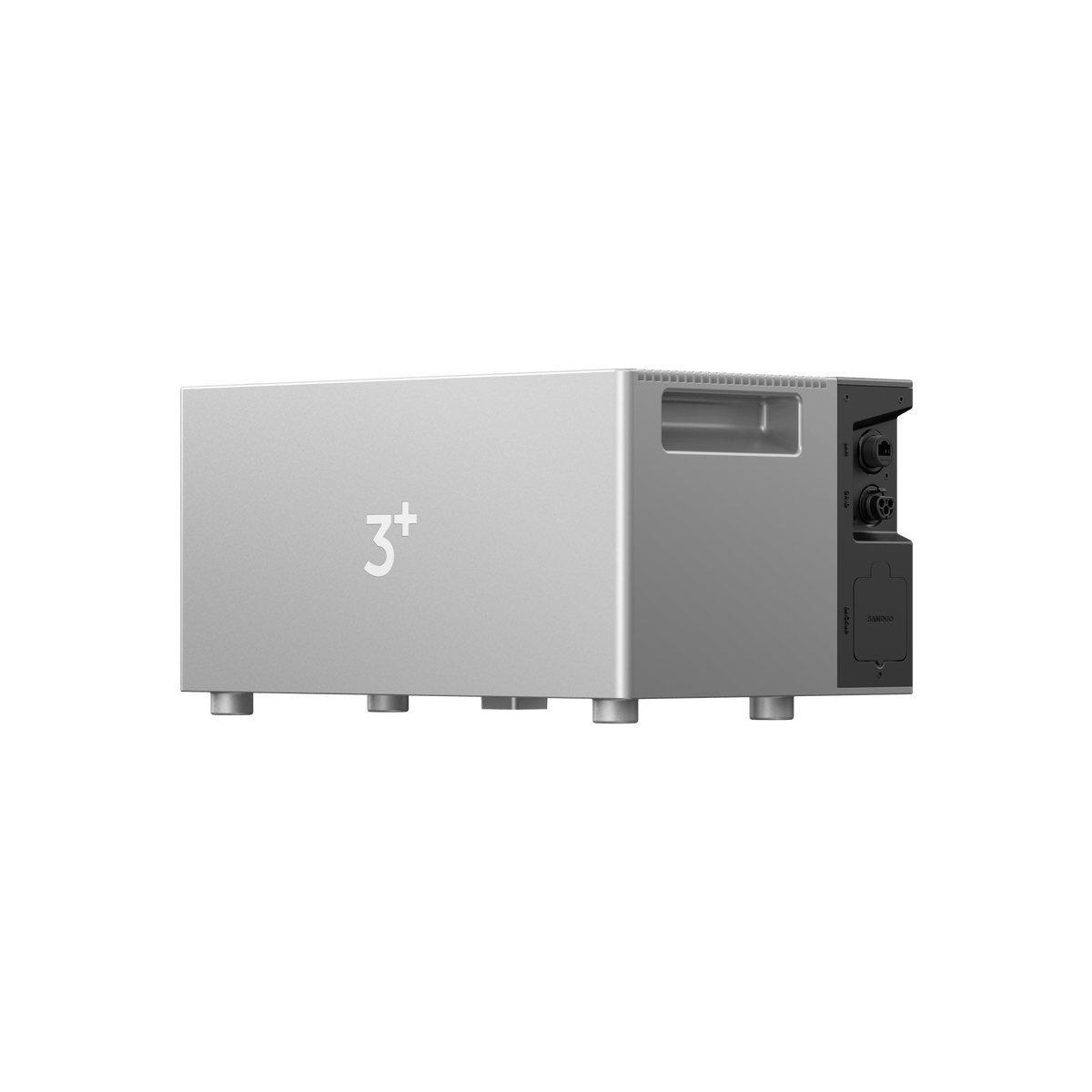
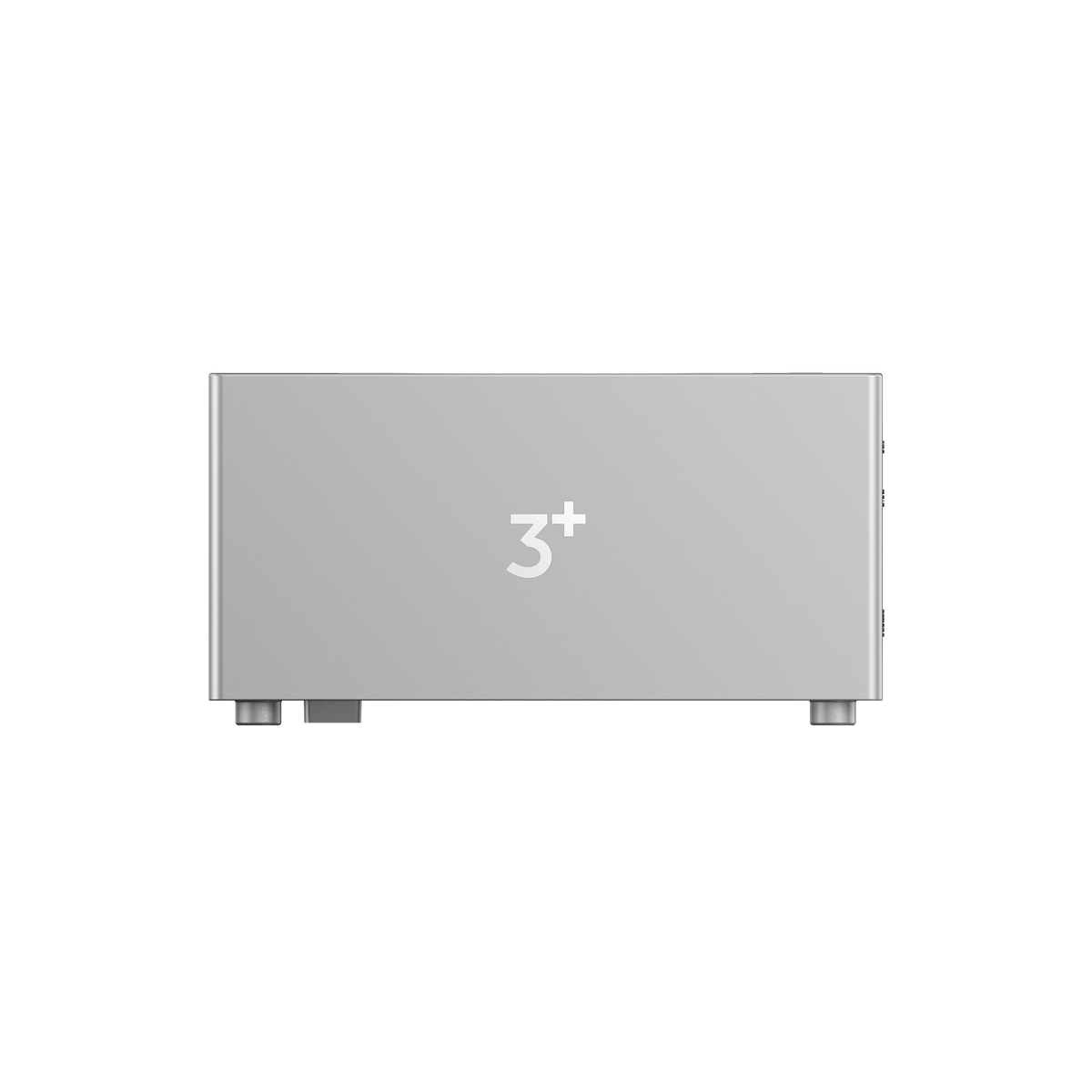
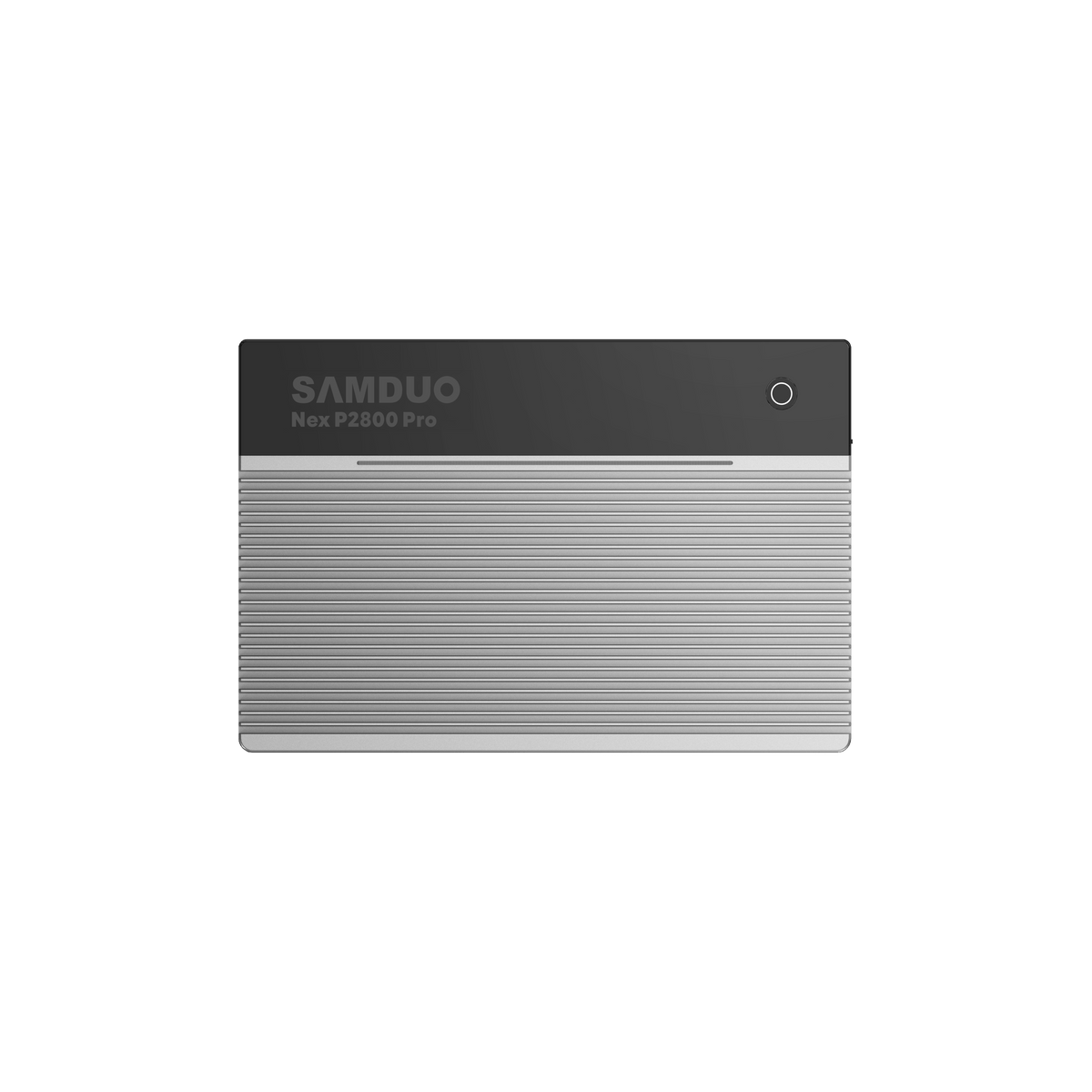
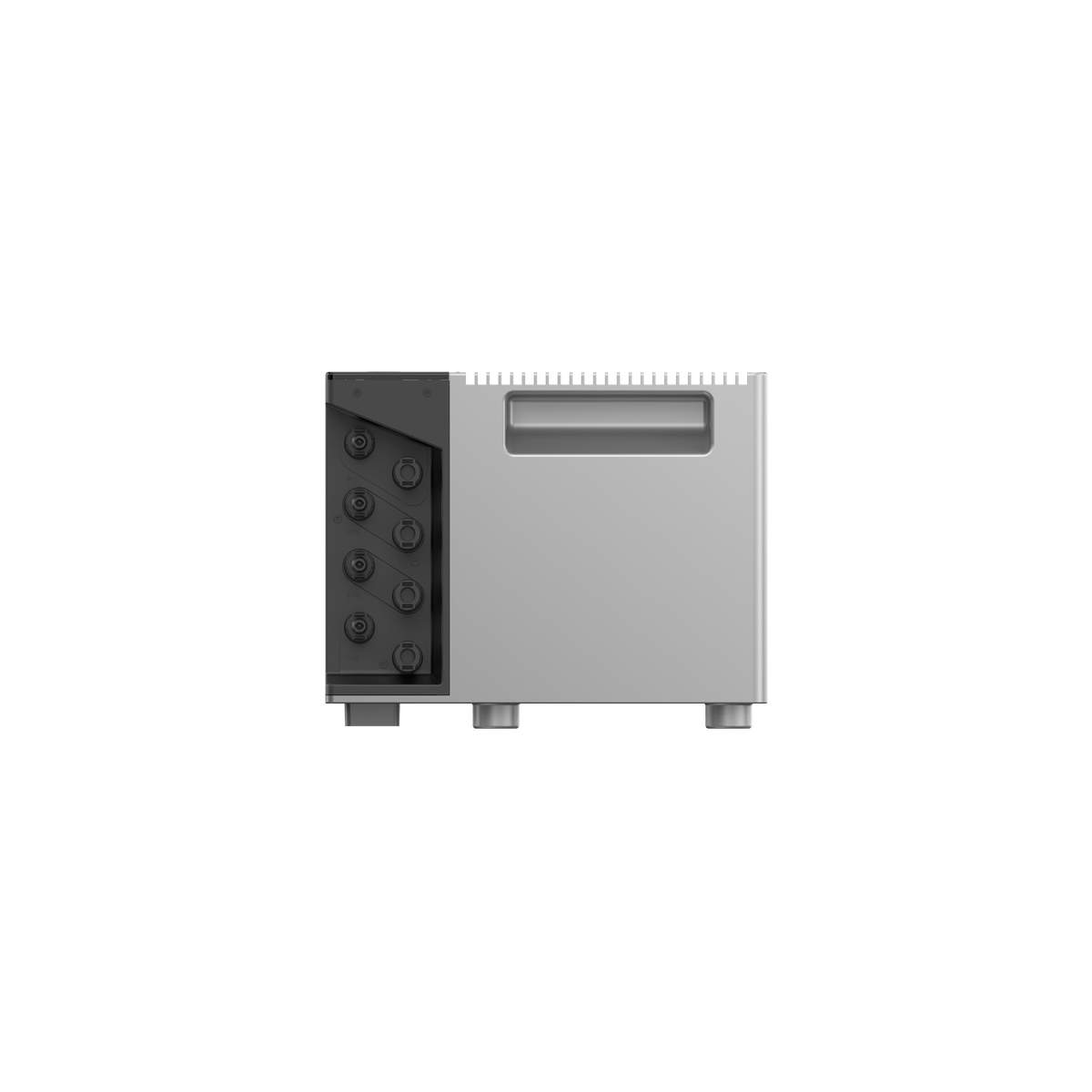
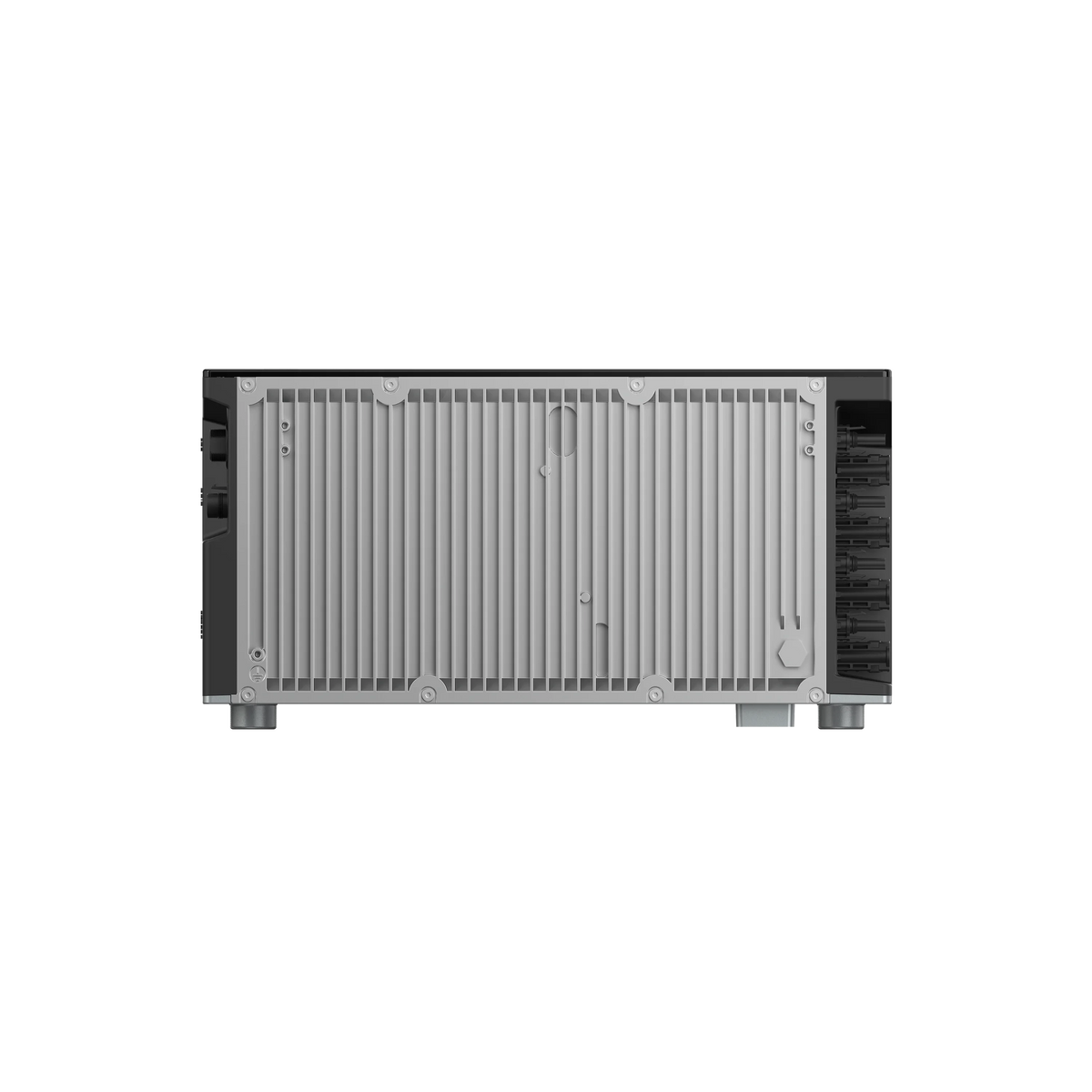
SAMDUO Nex P2800 Pro
The short answer is yes, if you meet the relevant conditions.
In 2026, if you purchase and install a SAMDUO Nex E6000 or Nex E6000H and use it to trade electricity, you may be able to receive a full VAT return, according to the conditions set by the Dutch Tax and Customs Administration on VAT return (Belastingdienst btw aangifte).
The net-metering scheme will end on January 1, 2027. This will not automatically end the VAT refund on a home battery, although it may affect how you use your battery. In this guide, we explain who may qualify, how the VAT return process works step by step, and what the end of net metering could mean for you.
How to Qualify for a VAT Return
To successfully claim back your 21% VAT from the Tax and Customs Administration, you must meet the following 5 core conditions:
- You trade electricity. You use the battery to buy and sell electricity through your energy supplier. Your supplier pays you for the electricity you feed into the grid, which means you may be considered an entrepreneur for VAT purposes.
- Your home battery has an EMS. The battery must be equipped with an Energy Management System (EMS) that manages energy trading.
- You have a dynamic energy contract. A dynamic contract allows your battery and EMS to respond to changing electricity prices.
- The documents are of the same name. Both the battery invoice and the energy contract must be in the name of the person applying for the VAT return.
- You are not participating in the KOR. When you purchase and install the battery, you must not participate in the Small Business Scheme (Kleineondernemersregeling, or KOR).
So please check with your energy supplier to ensure that they will compensate you for electricity fed into the grid and allow you to feed electricity back to get a successful VAT refund on a home battery.
Can I Get All the VAT Return Back?
The short answer is yes: you may be able to reclaim all the VAT charged on the purchase if you meet the 5 core conditions, but this does not necessarily mean you will keep the full amount.
If you also use the battery to store electricity for private household use, two tax return obligations may apply:
- VAT on private use: You must pay VAT on the portion of the battery used privately. You calculate this amount using data from your EMS, together with your energy bills where necessary, and report it in the final VAT return of each year during the first five-year period. As a result, the amount can remain relatively modest when private use is limited.
- VAT on energy sales: You must report 21% VAT on the compensation you receive from your energy supplier for electricity fed into the grid.
For example, a battery system costing €7,500 including VAT contains approximately €1,300 in VAT. You may initially be able to reclaim this full amount, but the final benefit will depend on your private use and the compensation you receive for supplying electricity to the grid.
How to File a VAT Return?
The process consists of 4 main steps:
- Register as a VAT entrepreneur. Complete the official Declaration of Starting Business form (Opgaaf startende onderneming: eenmanszaak) and submit it to the Tax and Customs Administration to get a business VAT return. They will get back to you within 10 working days.
- Report your electricity sales. In each quarterly VAT return, report the compensation received from your energy supplier and the 21% VAT due on that amount.
- Calculate VAT on private use. If you also use the battery privately, use your EMS data and, where necessary, your energy bills to calculate the private-use adjustment. Report it in the final VAT return for the year.
- Do it yourself or outsource it. Does that sound too technical? You can complete the process yourself or ask a Dutch tax adviser or specialist VAT-refund service, De Centrale for example, to handle the registration, returns and calculations for you. Before choosing a service, check its fees, what support is included and whether it can work with data from your battery's EMS.
Do I Need to File a VAT Return Every Year?
No, you do not. You only need to deal with quarterly filings during your first calendar year. From the second year, you may be able to simplify the process by joining the Small Businesses Scheme (KOR). Under the KOR, you generally:
- no longer charge or report VAT on the electricity you sell;
- no longer submit regular VAT returns; and
- cannot reclaim VAT on new business expenses.
To keep the total VAT return, your battery purchase should be within the price of approximately €14,000–€15,000, claiming less than €2,500 in VAT. Apply for the KOR online at least 4 weeks before your preferred start date.
Can I Still Get a VAT Return After Net Metering Ends in 2027?
Yes. The Dutch net-metering scheme will end on January 1, 2027, but this will not automatically end the VAT refund on a home battery.
VAT eligibility depends on whether you use your battery to trade electricity, have a suitable EMS and dynamic energy contract, and receive compensation for electricity fed into the grid. These conditions are separate from the net-metering scheme. However, the end of net metering may happen alongside:
- Higher private usage in 2027. Without net metering, storing solar energy for self-consumption becomes significantly more profitable than feeding it back into the grid. While a higher private usage ratio may increase your first-year private-use adjustment slightly, the initial 21% refund remains intact.
- KOR protection. By opting into the KOR in the second year, your regular VAT reporting obligations will generally end.
Complete Your VAT Return on a Home Battery and Don't Worry About 2027
A VAT refund can significantly reduce the upfront cost of a home battery. If you purchase a SAMDUO Nex E6000 or Nex E6000H, use it to trade electricity and meet the other VAT return conditions, you may be able to reclaim it all.
The end of net metering in 2027 will not automatically end VAT eligibility, although it may affect private use and the final financial benefit. Because every household's situation is different, check the latest guidance or consult a tax adviser before submitting your VAT return.
Frequently Bought Together
Services & Benefits
Dispatch within 24h
Delivery in 1-5 business days
10-Year Warranty
Privacy by Design
Real-Time Local Support
30-Day Money-Back Guarantee


Power Every German Home
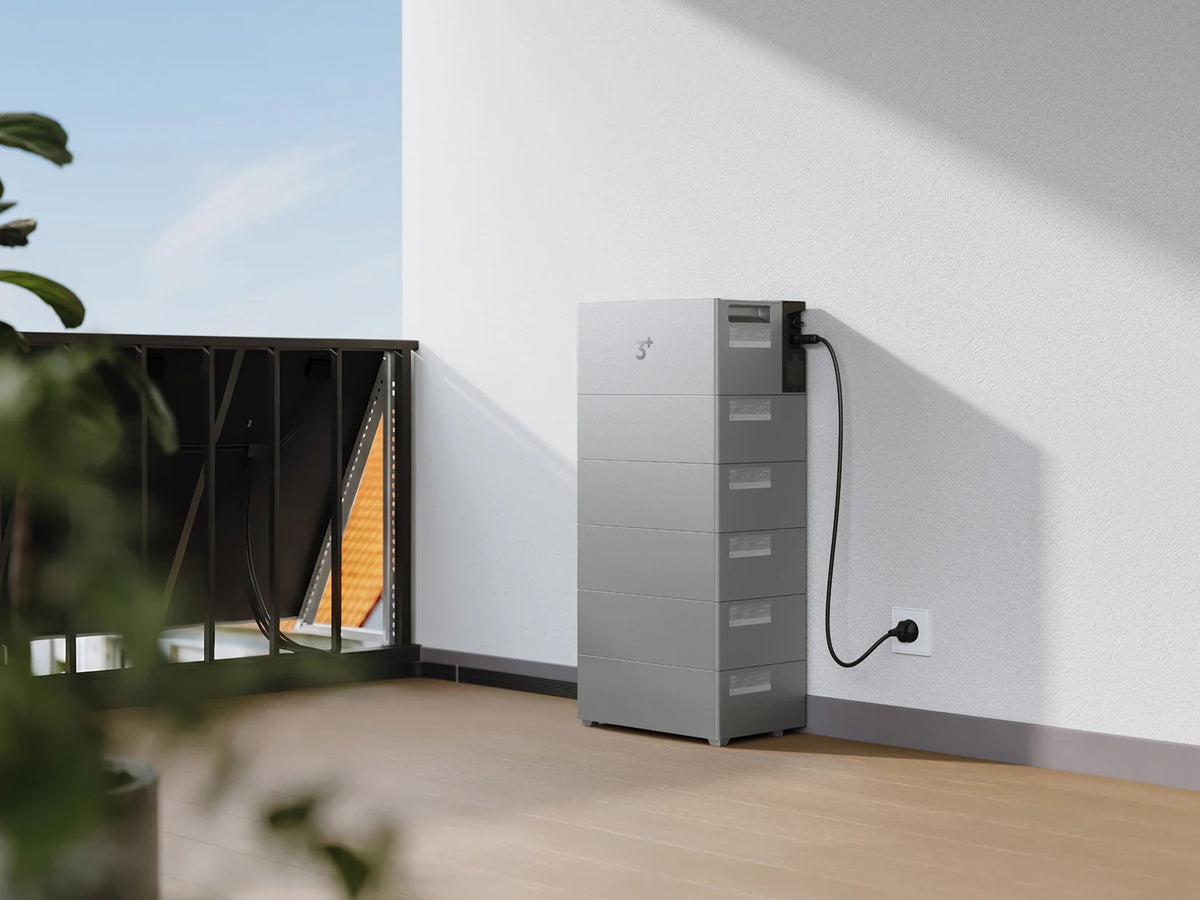

Compact Apartment Solutions
Annual Consumption: 3000kWh
Solar Panels: 2 kW
Annual Generation: 2,200 kWh
Energy Storage System: 1×Nex P2800 Pro (2.736 kWh) + 1×BP2800 (total 5.472 kWh)
Annual Savings: €833


Post-EEG: P2800 Pro Is
Your Best Choice
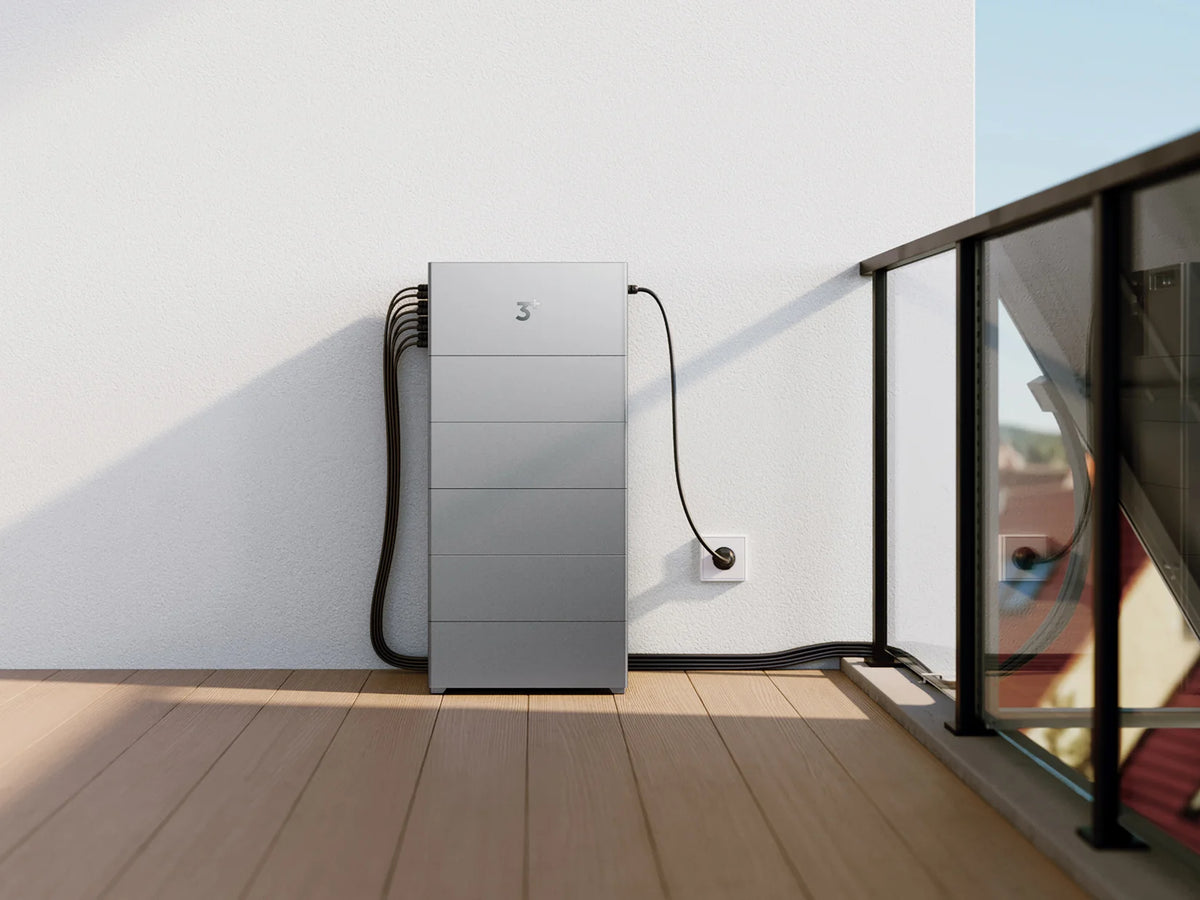

Maximize Every Ray. 100% Self-Consumption.
As the EEG feed-in model shifts, choose P2800 Pro for 3600W PV input with 4 MPPTs. Connecting up to 8 solar panels, it can generate up to 3960kWh per year under German weather conditions. Independent MPPT keeps less sunlight goes to waste.


2400W Pure Output.
Intelligent Control.
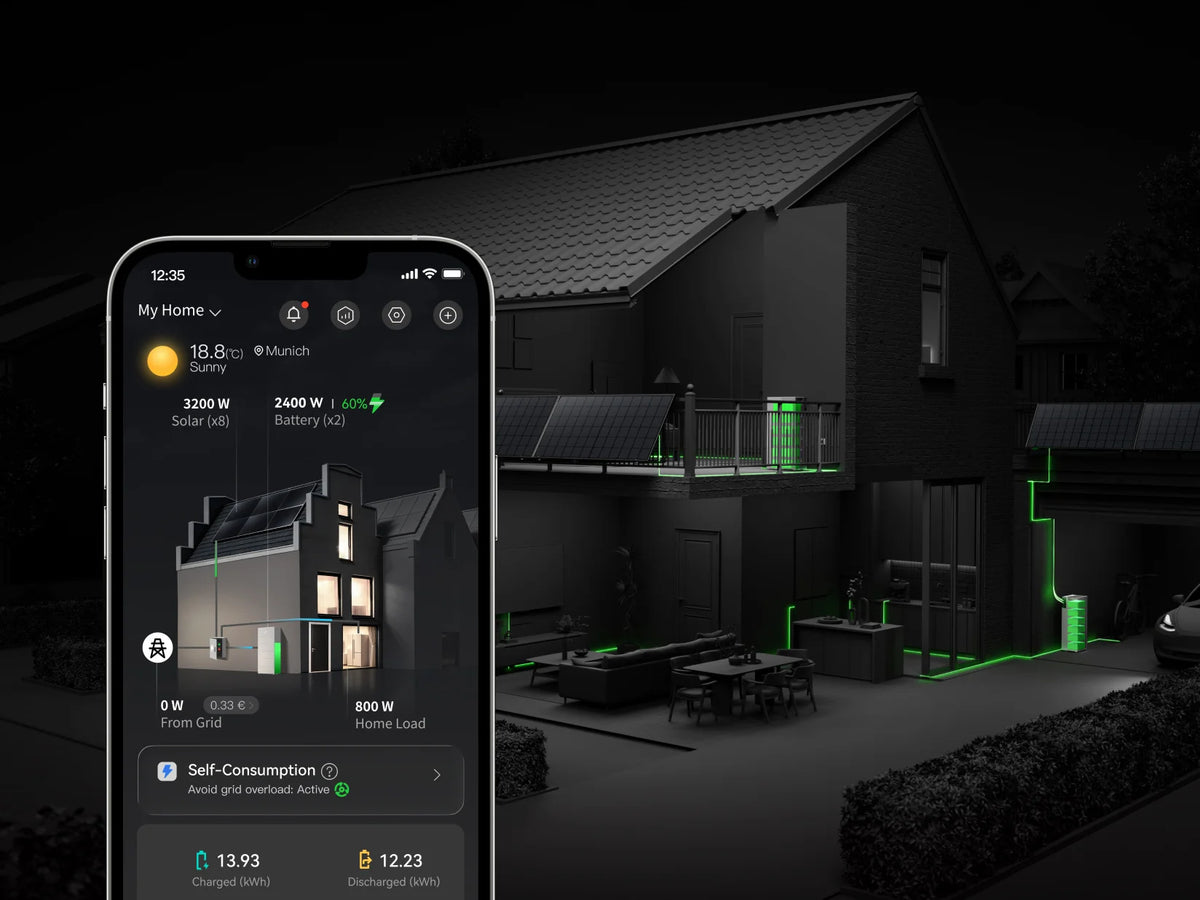

2400W Bidirectional, 800W Output Power
The bidirectional inverter allows quick transition under 10ms to support 2400W AC input. With the 800W on-grid output, it can be integrated into the German household immediately.


Plug-and-Play:
Easy Installation
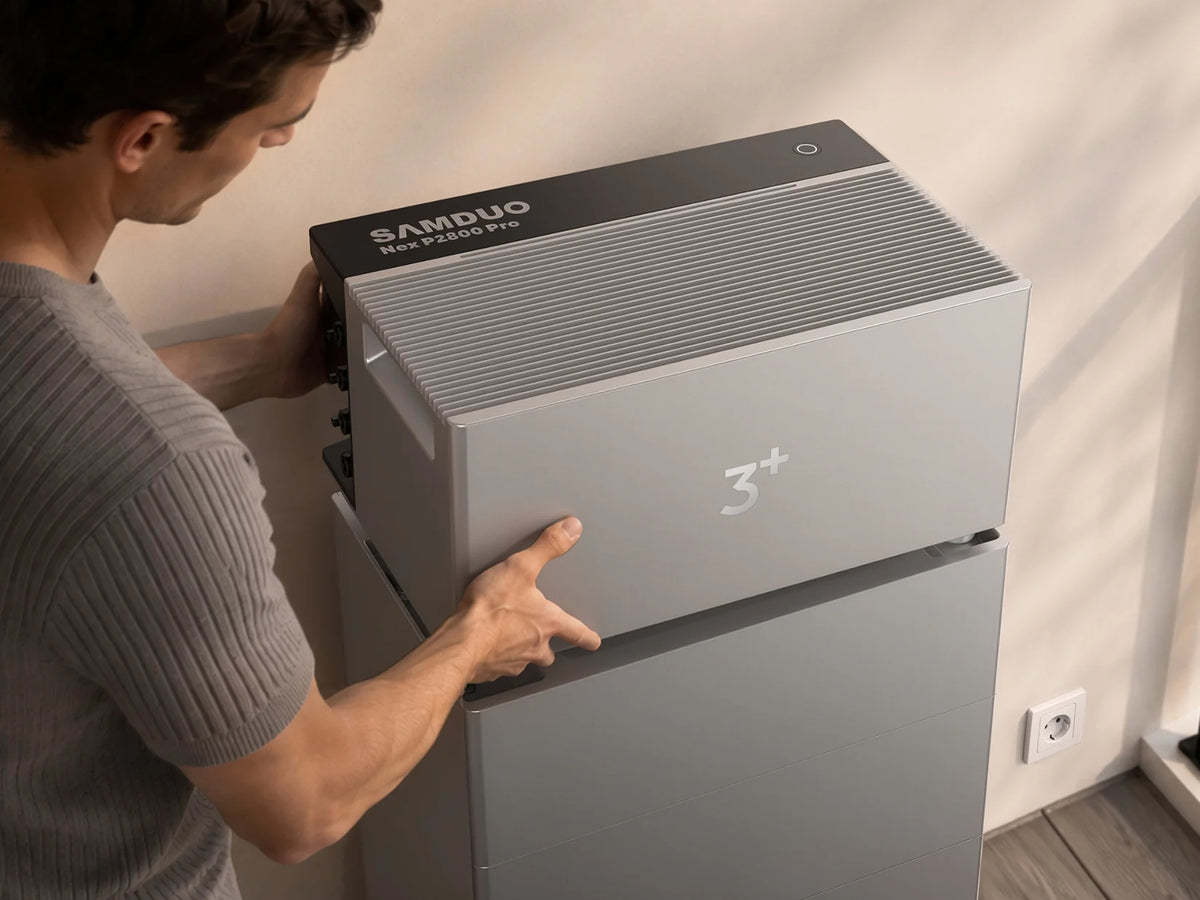

Plug-and-Play:
Easy Installation
No complicated setup, no waiting around. Just plug in and power up.


What's in the Box

SAMDUO Nex P2800 Pro

Mounting Kit

AC Cable with Schuko Plug( 1.5m )

Quick Start Guide

Safety Info

Warranty Card

Wrench
Product Specifications
FAQs
Q: How does the P2800 Pro help reduce electricity costs?
The P2800 Pro helps reduce electricity costs by increasing the use of self-generated solar energy and reducing reliance on grid electricity.
By storing excess solar energy generated during the day and making it available when needed, the system helps maximize solar self-consumption and reduce the amount of electricity purchased from the grid.
Users can already charge during low-price periods and discharge during high-price periods through manual scheduling.
Actual savings vary depending on solar generation, electricity tariffs, household consumption, system configuration, and usage patterns.
Q: What is the maximum charging and output power of the P2800 Pro?
The P2800 Pro supports:
- Maximum charging power: 2400W
- Maximum on-grid output power: Default limit of 800W
- Maximum off-grid output power: 2400VA
To comply with regulations applicable in certain countries and regions, the P2800 Pro is configured with a default on-grid output limit of 800W.
Where permitted by local regulations, the on-grid output limit can be configured up to 2400W.
Please ensure that any configuration changes comply with applicable local laws, regulations, and grid connection requirements.
Q: Do I need professional installation?
No.The P2800 Pro is designed as a plug-and-play energy storage system.
- No separate solar inverter is required
- Solar panels can be connected directly
- No complex electrical modifications are required for standard operation
However:
- Local electrical regulations should always be followed
- Installation of accessories such as the smart meter may require a qualified technician
Q: What are the benefits of PowerMesh™ for homeowners?
PowerMesh™, gives homeowners the flexibility to expand their energy storage system over time. By connecting multiple compatible units(e.g., SAMDUO E6000, SAMDUO E6000H), you can increase available backup power, extend runtime during outages, and support growing household energy demands.
Instead of replacing your system in the future, you can simply add more capacity when needed, making PowerMesh a smarter and more cost-effective long-term energy solution.
Q: What warranty coverage comes with the P2800?
The P2800 is backed by a 10-year limited warranty, providing long-term protection and peace of mind for your investment. Designed for reliable daily energy storage and long service life, the system is built to deliver dependable performance for years to come.
The warranty period begins on the date of product activation. Proof of purchase is required to validate warranty eligibility.
Q: How does DuoShield™ help protect my home and energy system?
DuoShield™ is SAMDUO's multi-layer protection framework designed to keep your home energy system operating safely and reliably. It combines a high-precision Battery Management System (BMS) with an intelligent Energy Management System (EMS) to continuously monitor battery performance and system status.
By helping prevent overcurrent, thermal surges, and voltage fluctuations while providing real-time fault detection and notifications, DuoShield™ delivers an extra layer of protection and peace of mind for everyday use.
Recommendations